
Meeting Ag-Commission Standards
In the heart of California’s breadbasket, the agricultural industry faces some of the strictest sanitation regulations in the country. For farm labor contractors and growers, providing adequate facilities isn’t just a matter of convenience—it is a legal requirement enforced by the Agricultural Commission.
Understanding how to properly deploy portable toilets for Central Valley operations ensures your crew stays productive and your farm stays compliant with the Food Safety Modernization Act (FSMA) standards.

The Importance of Sanitation Compliance
Compliance with the California Department of Food and Agriculture (CDFA) and OSHA guidelines is critical for any commercial harvest. These regulations mandate that workers have access to clean, well-maintained facilities within a short walking distance.
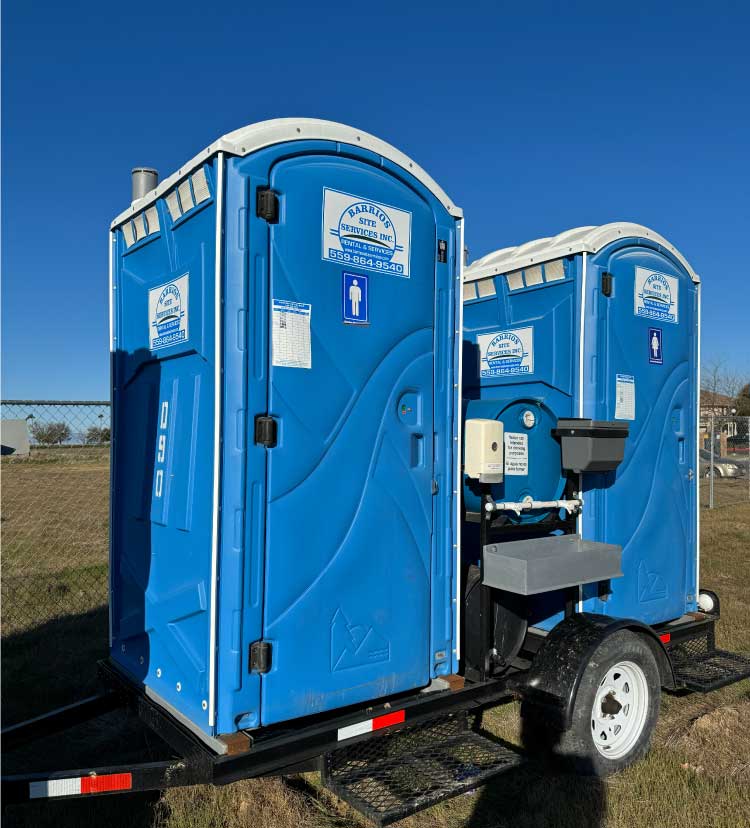
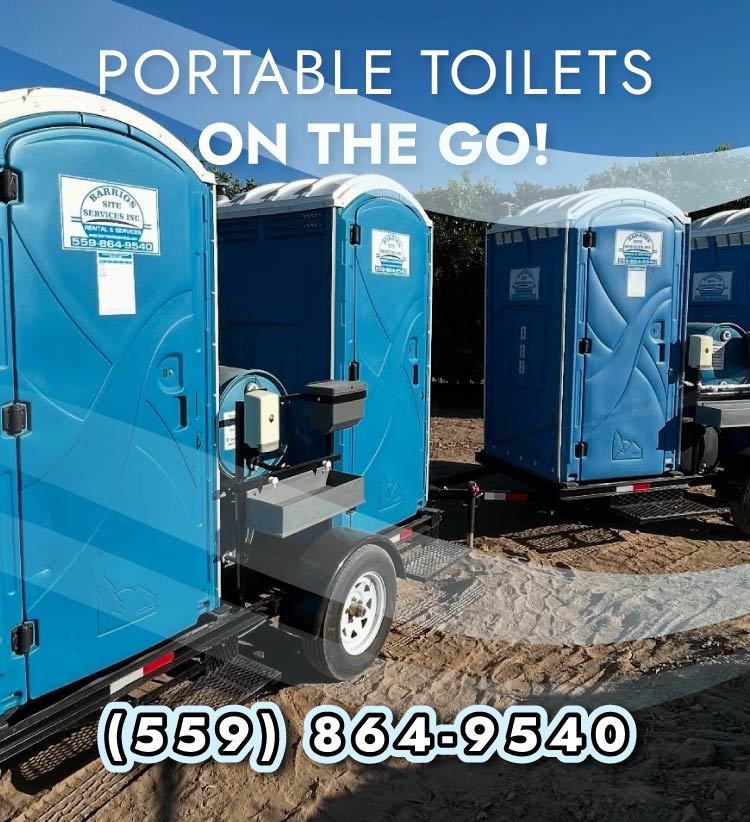
Utilizing specialized Towable Units is often the most efficient way to meet these requirements, as they can move alongside your crew through different blocks of the field.

Essential Features for Field Restrooms
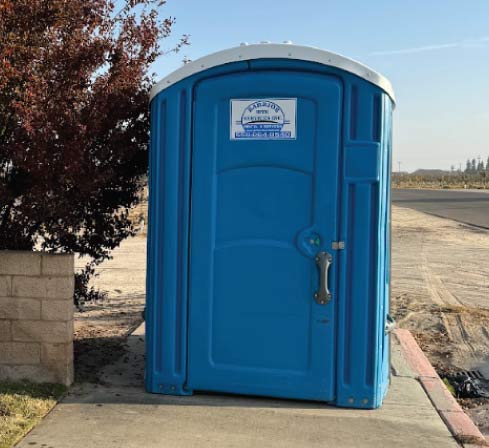
Standard plastic boxes aren’t enough for the rugged demands of the Central Valley. Agricultural units must be durable enough to withstand high temperatures and frequent relocation.
For teams that require more space or integrated features, Deluxe Units offer internal handwashing stations to help maintain hygiene without separate equipment. Choosing the right unit prevents cross-contamination of crops and protects your laborers’ health.
Handwashing: A Non-Negotiable Requirement
The Ag-Commission requires more than just a place to use the restroom; workers must have a place to wash their hands. Every field setup should include high-capacity
These stations are a primary defense against the spread of foodborne illnesses.
Proper placement of these stations is a key factor during a food safety audit or an unannounced inspection.
Accessibility and Unit Ratios
When planning your field logistics, you must account for the size of your crew. Generally, you need one toilet for every 20 employees of the same gender.
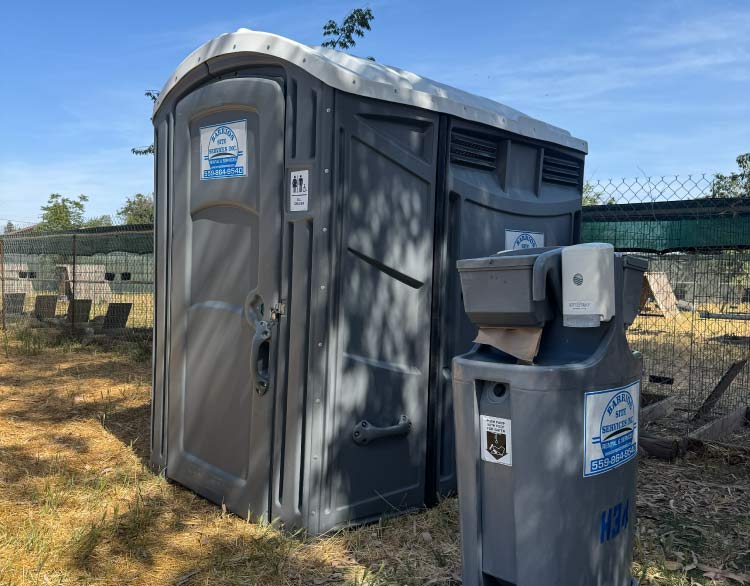
Additionally, you must consider inclusivity for all workers. Providing ADA Units ensures that your site is compliant with accessibility laws and accommodates workers with varying needs.
Proper ratios and accessible designs prevent long wait times and keep the harvest moving efficiently.
Maintaining Standards with Regular Servicing
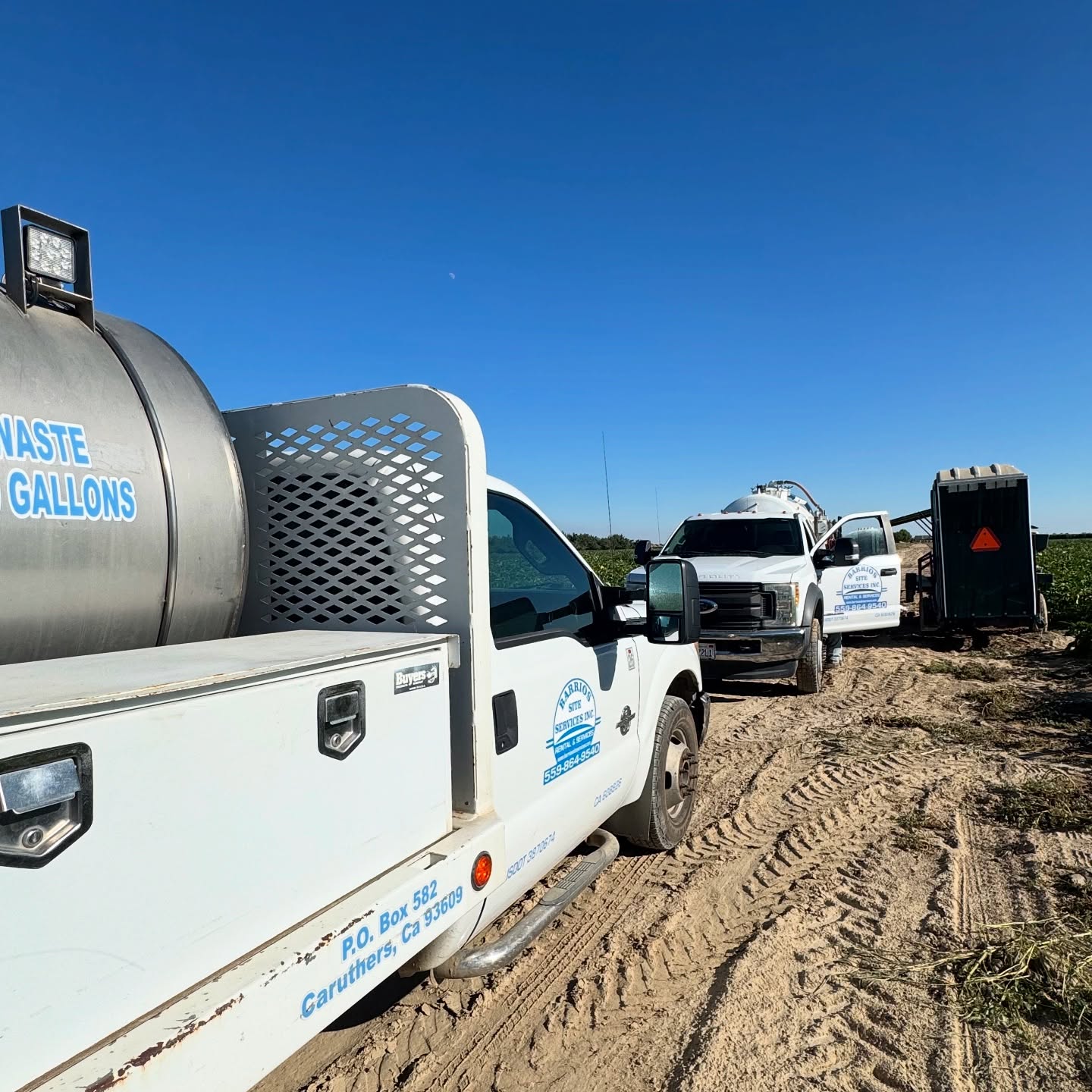
Even the best equipment will fail an inspection if it isn’t serviced correctly. Dust, heat, and high usage mean that Porta Potty Pumping must occur on a consistent, professional schedule.
A thorough service includes pumping the waste, scrubbing the interior surfaces, and restocking all necessary supplies. Neglecting this maintenance can lead to foul odors and, more importantly, significant fines from state regulators.
Strategic Placement for Efficiency
To maximize productivity, portable toilets for Central Valley farms should be placed within a quarter-mile of all workers. If the field is large, towable trailers are the gold standard because they eliminate the time wasted by workers walking long distances.
This strategic placement ensures that your operation adheres to the agriculture industry’s best practices while keeping your labor costs under control and your workers focused on the harvest.
Documentation and Record-Keeping
Maintaining a paper trail is just as important as maintaining the units themselves. Inspectors often ask to see service logs to verify that the units have been cleaned on schedule. Professional sanitation providers should provide clear documentation of every visit.
According to the OSHA sanitation standards for agriculture, these records serve as proof that the employer is taking proactive steps to protect worker health and food safety.

Partnering with Barrios Site Services Inc.
At Barrios Site Services Inc., we specialize in supporting the unique needs of the California grower.
With over 25 years of experience in the industry, our team understands the pressure of harvest season and the importance of Ag-Commission standards.
We provide reliable delivery and meticulous servicing for farms throughout Fresno and Madera Counties. Our goal is to ensure your sanitation is the easiest part of your harvest management.
Frequently Asked Questions (FAQs)
How many portable toilets do I need per worker for California agriculture?
California law generally requires one toilet and one handwash station for every 20 employees. If you have both male and female workers, you must provide separate facilities unless the unit is lockable from the inside and intended for only one occupant at a time.
How often should field toilets be serviced during harvest?
At a minimum, units should be serviced once per week. However, during peak harvest seasons with large crews, twice-weekly or daily servicing is recommended to maintain hygiene and prevent odors from reaching the crop areas.
Can portable toilets be placed directly in the crop rows?
Toilets should be placed in areas that prevent the contamination of crops. This usually means placing them on the perimeter of the field or on access roads where service trucks can reach them easily without driving through the harvest zone.
What is required at a field handwashing station?
A compliant handwash station must provide a minimum of 15 gallons of potable water, soap, and single-use paper towels. The water should be dispensed through a hands-free system, such as a foot pump, to prevent cross-contamination.
What happens if a farm fails a sanitation inspection?
Failing an inspection can result in heavy fines from the Ag-Commission or OSHA. In some cases, it can lead to a “stop-work” order or the rejection of the harvested crop by buyers who require proof of strict food safety compliance.